NoLimits was founded in Singapore in 2006. Twenty years on, we are taking a moment to say thank you, reflect on what makes learning useful and look ahead.
To the people who have invited us into their organisations, joined a programme, worked alongside us or trusted us with a conversation: thank you.
Our anniversary is an opportunity to share ideas you can use. These are practical principles for learning, leadership and working together—and an invitation to add your own perspective.
What has changed in your working life? What still matters as much as ever?
THE FOUNDER’S STORY
Why I started NoLimits
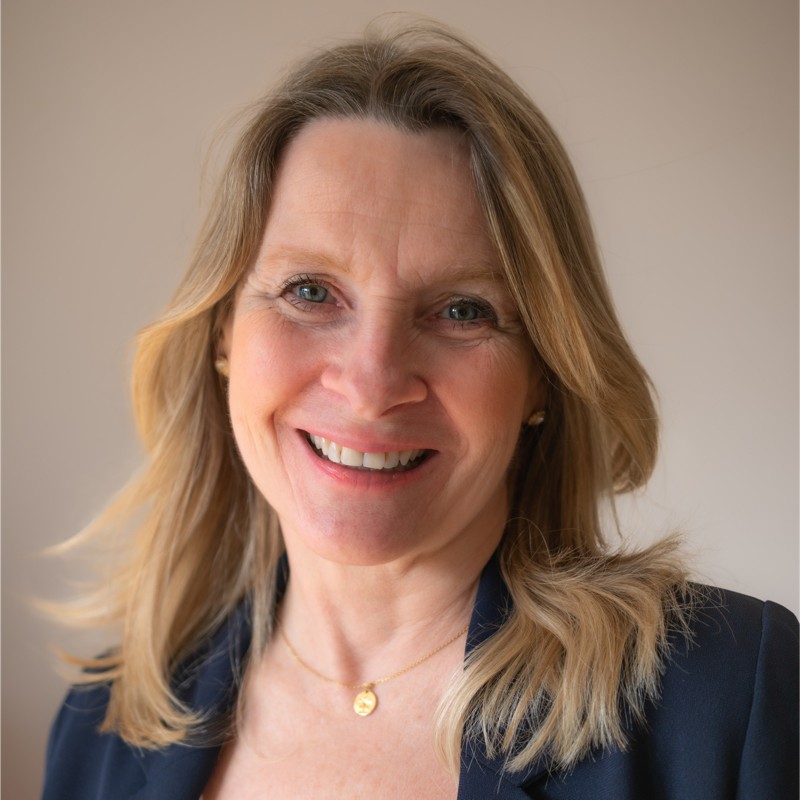
Janet Cropper · Founder of NoLimits
I have always been fascinated by personal and professional development. Early in my career, working in HR, training and development was the part of the job I loved most. But it often ended up at the bottom of my to-do list because everything else took precedence. I wanted to give it my full attention and help people get on in their careers.
NoLimits was founded in Singapore in 2006. The name reflected what I wanted to do: help people overcome the limits that can hold them back in their work and their lives. That was something I cared about personally, and something I saw in organisations too.
I remember the excitement of setting up the company, choosing the name and being able to put my energy into creating, designing and delivering workshops. We began with our Power programmes: Power Presenting, Power Coaching for Leaders, Power Influencing and Power Presence.
Our first customer came through a chance meeting at a friend’s house. I met a woman who ran a successful PR consultancy in Singapore, and she offered to be my first customer. It was music to my ears. We began running programmes for her whole team, alongside our public programmes, and went on from there.
Some of the early experiences that stay with me are the ones that made me question my approach. In one programme on managing change, I was working with around forty or fifty leaders. My preference was to brainstorm ideas and come up with something new. They wanted to hear what other organisations had done and work with case studies. I realised that their preferred way of approaching the subject was different from mine. It was an early lesson in adapting to the people in front of me.
Twenty years later, what matters to me is still helping people overcome their limits and be who they want to be. That is what drew me to this work, and it is what continues to matter.
WHAT MAKES DEVELOPMENT LAST
Beyond the course. Into working life.
Seven examples from our experience that illustrate what sustained commitment, practice and follow-through can look like.
01 / SUSTAINED COMMITMENT
A decade of mentoring.
Ten years of mentoring programmes at AXA XL in APAC is one example of the sustained commitment we want to celebrate. The lesson is to give development time and attention, rather than treating the launch as the finish.
Do build for continuity. Do not confuse starting a programme with sustaining its value.
02 / LEARNING THROUGH REAL WORK
Build application into the programme.
Modular training with action learning projects gives people real work to return to between sessions. The project becomes a place to apply skills, reflect on what happened and bring questions back to the group.
Do connect the modules through real work. Do not leave application to chance.
03 / CULTURE AND CONVERSATIONS
Make the learning organisation-wide.
All-employee learning using Crucial Conversations and Fast Feedback is an example of working on culture through everyday conversations. The practical point is to involve the people who need to use the skills together.
Do create opportunities to practise across the organisation. Do not expect a small group of trained people to carry the whole culture change.
04 / COACHING CULTURES
Keep coaching after the training.
Training leaders in coaching can be supported by ongoing, facilitated group coaching within the organisation. Real situations, practice and reflection give the learning a place in working life.
Do support continued coaching practice. Do not assume a course alone establishes a coaching culture.
05 / TEAM FEEDBACK
Practise open, honest feedback together.
Facilitated team sessions give people a chance to learn and apply feedback from the group to an individual. Clear agreements, care and skilled facilitation matter when the conversation is about real colleagues and real work.
Do make feedback specific and useful. Do not let openness become a licence for personal criticism.
06 / EARLY CAREERS
Invest early. Give people meaningful work.
Graduate programmes can combine engaging learning with action learning projects. The aim is to help people contribute sooner, build confidence and establish strong connections early in their careers.
Do combine support with real responsibility. Do not treat graduates as passive recipients of content.
07 / LEADING CHANGE
Have the live conversation.
Change leadership becomes tangible when people work through real dialogue about a change they are experiencing. The change curve can prompt discussion about different responses, rather than being treated as a fixed path everyone must follow.
Do facilitate the conversation that is needed now. Do not stop at presenting a model.
20 YEARS · 20 REFLECTIONS
Ideas to take back to work.
Choose a theme. Find one idea worth trying. Use the questions it raises to start a conversation.
01—05
Make learning useful
+
01
Commit beyond the course.
Build development over time, with attention to continuity and sustained value.
02
Make real work part of the learning.
Connect modules through action learning projects, with opportunities to apply, reflect and return with questions.
03
Invest early.
Combine graduate development with meaningful projects, support and opportunities to contribute.
04
Involve the manager.
Discuss what support, feedback and opportunities to practise will be available afterwards.
05
Look for use, not just attendance.
Ask what people tried, what happened and what they will adjust. Completion is only a starting point.
06—10
Have better conversations
+
06
Practise feedback together.
Use facilitated team feedback to build skill with real colleagues, supported by clear agreements and specific examples.
07
Ask before assuming.
Explore the other person’s view before deciding why something happened.
08
Listen beyond your next reply.
Check that you understand the point before explaining your own.
09
Be clear about the boundary.
A useful “no” explains the limit and, where possible, offers a workable alternative.
10
Finish with a next step.
Agree who will do what, and when you will return to the conversation.
11—15
Help people lead and work together
+
11
Delegate the outcome.
Explain the result, decision boundaries and support available. Check understanding in both directions.
12
Keep coaching after the course.
Support trained leaders through ongoing facilitated group coaching, practice and reflection.
13
Respond well to challenge.
How a leader reacts to unwelcome information helps shape whether people speak up again.
14
Involve the whole organisation.
When the aim is cultural change, give people across the organisation opportunities to learn and practise together.
15
Support both sides of mentoring.
Mentors and mentees each need a purpose, preparation and a way to review progress.
16—20
Keep adapting
+
16
Work with change as it happens.
Facilitate real dialogue about the change people are experiencing. Let models support the conversation rather than replace it.
17
Adapt to the person and context.
Use frameworks to open a conversation, not to put people into fixed categories.
18
Give people something they can use.
A clear prompt, worksheet or conversation plan can help turn an intention into action.
19
Give technology a clear job.
Start with the task it should support. For AI, check the output and keep human judgement in the loop.
20
Stay willing to revise your view.
Ask what is working, listen to what is difficult and change your approach when the situation calls for it.
CHANGING PRIORITIES
New questions. Enduring human skills.
These are three conversations we want to open as we look back and ahead.
01 / LEARNING
What happens after the workshop?
How do practice, manager support and resources fit together? Our focus is on helping people use what they learn in their work.
02 / LEADERSHIP
What do people need from a manager now?
Clarity, listening, feedback and room to contribute are useful places to start. How do those needs show up in your team?
03 / TECHNOLOGY
Where can AI make practice more useful?
We are exploring tailored support for preparation, rehearsal and reflection, with human judgement central to how it is used.
THE NEXT CHAPTER
More ways to put learning to work.
Renewed connections in Asia with Andrew Warneck. Practical resources through OwnMentor by NoLimits. Company-tailored AI tools to support preparation and practice.